

Motor Sports
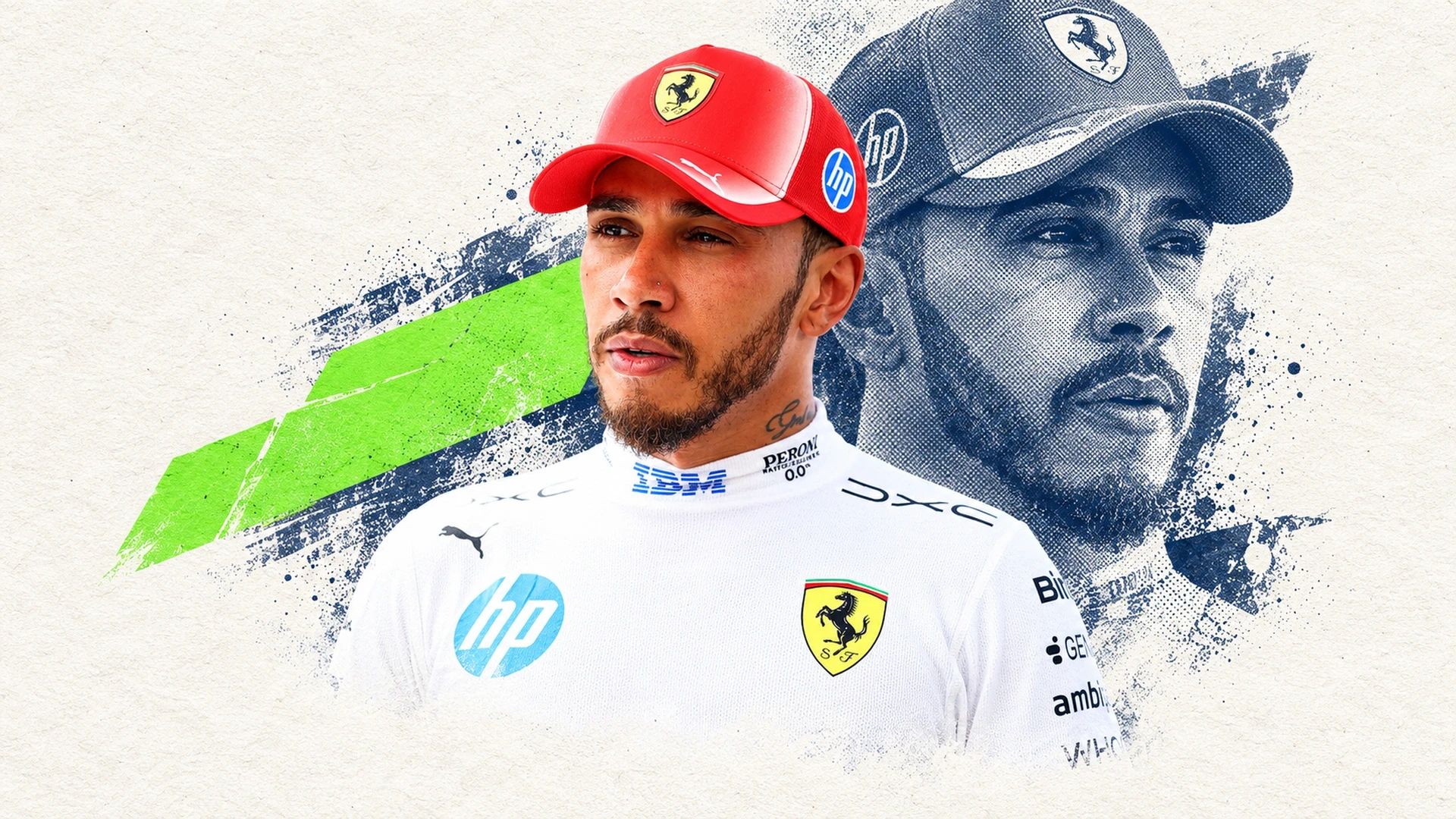
Four consecutive wins have given Kimi Antonelli a clear championship lead. Monaco now changes the demands on the cars and drivers, with qualifying central, active aero unavailable and last year’s compulsory two stop format dropped.
Kimi Antonelli arrives in Monaco with four consecutive Grand Prix victories and a championship lead that has become difficult for the rest of the field to ignore. The Mercedes driver has 131 points after five rounds, forty three more than George Russell. China, Japan, Miami and Canada have all ended with the Italian on the top step of the podium.
Russell knows how quickly the picture can change. He won the opening race in Australia and was leading in Canada when a power unit problem ended his afternoon. Antonelli took the victory and increased the gap. That sequence leaves Russell needing a response, but it also shows why the standings alone cannot settle the relative pace of the two Mercedes drivers on every weekend.
Monaco gives the pursuit a particularly unusual setting. Its narrow streets reward a driver who can place the car accurately and repeat that precision while the track changes around him. The lap is only 3.337 kilometres, but its nineteen corners leave very little room for a mistake. Speed elsewhere on the calendar remains relevant without being a complete guide to what will happen here.
Qualifying on Saturday is likely to carry exceptional weight. Passing opportunities are scarce, so a car that starts behind a slower rival may spend much of Sunday unable to use its pace. Finding space for a clear lap, bringing the tyres into the right condition and committing close to the barriers can determine far more than a place on the grid. For the leading teams, that makes preparation for a single quick lap a central part of the weekend.
Ferrari have two drivers with strong reasons to welcome the opportunity. Charles Leclerc is third in the championship on 75 points, three ahead of Lewis Hamilton. Leclerc’s victory at home in 2024 remains an obvious reference, while Hamilton arrives after finishing second in Canada. Both need more than a competitive Saturday to challenge Mercedes over a season, but a strong grid position here could make the immediate contest much closer.
McLaren also need to turn pace into a more useful result. Lando Norris has 58 points and Oscar Piastri 48, leaving both behind the Mercedes and Ferrari drivers in the standings. The field is still learning the demands of the new cars, and Monaco adds a circuit whose priorities differ sharply from those of the preceding races. It offers room for a changed order without promising one.
One of the most visible differences will be the absence of active aero. The cars will remain in their cornering configuration throughout the weekend rather than switching to the lower drag setting on designated straights. The FIA’s decision reflects the safety demands of a circuit with very few suitable straight sections. It does not mean that the wings disappear from the cars, or that every other passing aid is removed.
Overtake Mode remains available. The distinction matters because the new electrical assistance and the adjustable wings serve different purposes. Monaco’s restrictions change how the cars operate around the lap, but they do not turn this into a race conducted under an entirely separate set of technical rules. The teams still have to make the package work within the same narrow streets.
The tyre rules also need careful attention. Last year’s experiment requiring drivers to use at least three sets, effectively making two stops necessary, has been abandoned. The usual requirement returns: in a dry race, drivers must use two different slick compounds. With relatively low degradation, one stop is again the conventional starting point for strategy, although interruptions can alter how a race unfolds.
Pirelli have brought the softest three compounds in this year’s range, with C3 designated hard, C4 medium and C5 soft. The circuit has also received new asphalt in several areas, including the run between the final corner and the first, and a section leading towards the tunnel. Practice will help teams assess the surface and tyre preparation, but it will not remove the risk of traffic or an interruption during qualifying.
Once the race begins, the challenge becomes protecting the position earned on Saturday without losing sight of the wider situation. A safety car or a red flag can change the value of a planned stop. Teams need to understand where a driver will rejoin and whether a tyre change actually creates an opportunity to pass. At Monaco, an apparently quicker strategy can be undone by the traffic it places a car behind.
For UAE viewers, qualifying begins at 6pm on Saturday and the race at 5pm on Sunday. The Grand Prix is scheduled for 78 laps. Antonelli enters as the driver everyone is trying to catch, but the nature of this circuit makes the next step unusually dependent on execution across the whole weekend. His pursuers need to make the most of that difference. Mercedes need to show that the habits behind four straight victories can survive a very different test.

