
Football

The moment that defined Al Nassr's season was not the moment they won it. It was the moment they almost lost it.
Matchday 33. The Capital Derby. Al Nassr needed a win against Al Hilal to clinch the championship at Al Awwal Park. They led 1-0 deep into stoppage time. The trophy was being prepared. The yellow half of Riyadh was on its feet. Then, in the 98th minute, an own goal. The title slipped from their grasp in the dying seconds of a match they had controlled. The final whistle brought 1-1, and the coronation was postponed.
In previous seasons, that kind of collapse would have broken Al Nassr. It nearly had before. Three consecutive defeats mid-campaign, results that saw them surrender top spot and drop more than six points behind Al Hilal, would have been enough to derail the club in any of the past seven years. The fragility that had defined Al Nassr's title challenges since their last championship in 2019 was always mental, never technical. They had the players. They had the spending power. What they lacked was the capacity to absorb a punch and throw one back.
Jorge Jesus fixed that. The 71-year-old Portuguese was hired on a single mission: win the league. He was not building a project. He was not developing youth. He was not laying foundations for a five-year plan. He was winning a title, this season, and then leaving. Which is exactly what he did.
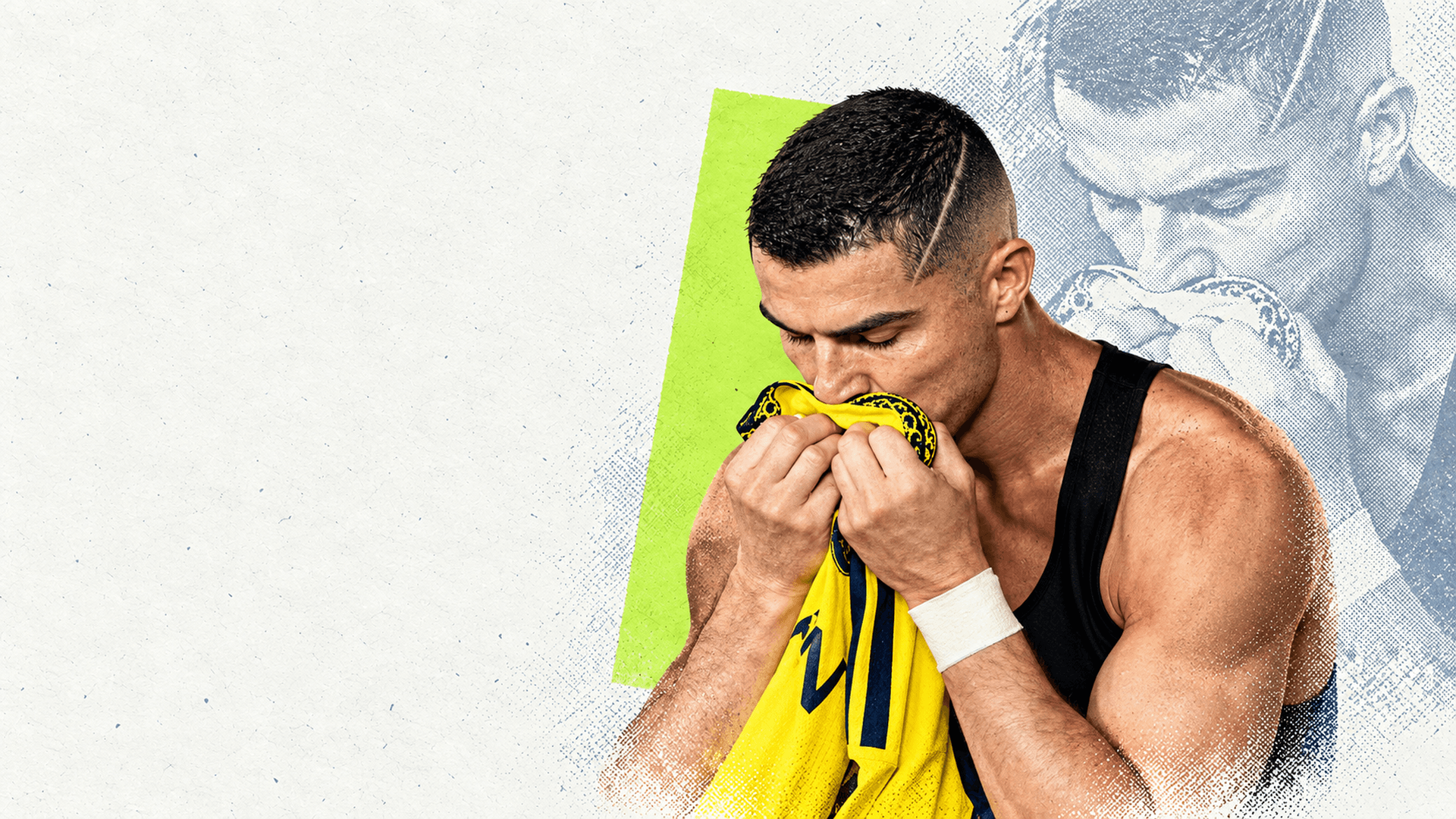
After the Capital Derby heartbreak, Al Nassr travelled to Damac for their final match of the season and won 4-1 to clinch the championship. Cristiano Ronaldo scored twice, including a dipping free-kick for the third that had Al Awwal Park's away contingent in delirium. Kingsley Coman added a screamer. The trophy was lifted. Jesus embraced his staff. Ronaldo wept. Seven years of waiting, ended in a southern Saudi Arabian city on the final day of the season.
The numbers tell one story. Eighteen wins and one draw from their final 20 matches. A club-record 16-game winning streak that reeled in Al Hilal from six points behind. Ninety-one goals scored, the most in the league by a distance. Seventeen clean sheets. Fifteen wins from 17 home matches at Al Awwal Park, collecting 46 points on their own patch compared to just 32 at home the previous season. Those 14 extra points at home made the difference between champions and challengers.
But numbers do not capture the human engineering that Jesus performed on this squad. The recruitment was surgical. Joao Felix arrived from Chelsea and became the best player in the league: 20 goals, 13 assists, SPL Player of the Season. At 26, he found at Al Nassr what he had been searching for across six clubs in five countries: a system that trusted him, a coach who demanded everything, and a strike partner in Ronaldo who occupies defenders so comprehensively that Felix could operate in the spaces between the lines with a freedom he had never been afforded in European football.
Inigo Martinez came from Barcelona and brought the kind of defensive organisation that had been missing from Al Nassr's back line for years. The 17 clean sheets were not a coincidence. They were a consequence of a centre-back partnership between Martinez and Abdulelah Al Amri, signed from champions Al Ittihad in the summer, that was the most reliable in the division. Al Amri, a Saudi international who understood the physical demands of the league, complemented Martinez's positional intelligence and reading of the game. Together, they conceded fewer goals per 90 minutes than any pairing in the competition.
Kingsley Coman contributed 21 goal involvements from the right wing, offering the direct running and crossing quality that Ronaldo's aerial presence demands. Abdullah Al Hamdan, signed from Al Hilal in the winter window, was the kind of shrewd addition that title-winning squads make in January: a forward who could play across the front line, score important goals from the bench, and provide the rotation options that Jesus needed to manage Ronaldo's workload through Ramadan and the fixture congestion of a multi-competition season.
The tactical identity was clear from early in the campaign. Jesus deployed a 4-4-2 that became a 4-2-3-1 in possession, with Felix dropping into the half-spaces and Coman or Sadio Mane providing width. Marcelo Brozovic anchored the midfield with the quiet authority of a man who has played Champions League finals. The system asked Ronaldo to do less defensive work than at any point in his career but more clinical finishing in the moments that mattered. He obliged. Twenty-eight league goals. The Golden Boot for the third consecutive season.
But the defining characteristic of this Al Nassr was not their attack, though it was the most prolific in the division. It was their refusal to accept defeat. Twenty-nine of their 91 goals came in the final 15 minutes of matches, the highest proportion in the league. Last-gasp winners against Al Fayha and NEOM. Two late goals to beat title rivals Al Ahli 2-0. Mohamed Simakan heading home in injury time. Ronaldo converting from the penalty spot in the 93rd minute. When the opposition tired, Al Nassr found another gear. When the pressure was at its most suffocating, they breathed.
The away record reinforced the mentality. Thirteen wins from 17 matches on the road, second only to Al Hilal. This was a team that won at Al Ahli, won at Al Qadsiah, won at Al Ittihad, and won in circumstances that would have overwhelmed weaker squads. The transformation from a club that won just nine of 17 home matches last season to one that lost only twice at Al Awwal Park this year is the most telling statistical shift in the entire campaign.
Jesus has confirmed he will not stay for a second season. He came, he won, he leaves. The mission was singular and it was accomplished. His second Saudi league trophy, after leading Al Hilal to the title in 2024, places him among the most successful foreign coaches in the competition's history. The irony of winning the championship for Al Hilal's fiercest rivals, using many of the same tactical principles, will not be lost on either set of supporters.
What he leaves behind is a squad that knows how to win, a set of players who discovered under his management that they were capable of absorbing pressure and responding to setbacks in ways they had never demonstrated before. Whether that mentality survives his departure depends on who replaces him. The technical quality is in place. Felix, Ronaldo, Coman, Brozovic, Martinez, Al Amri, Mane: the spine of a champion squad. The coaching will determine whether Al Nassr defend their title or revert to the nearly-men they were for seven years.
For now, though, the trophy is in the cabinet. Ronaldo has his first major honour in Saudi Arabia. Felix has the individual award that confirms his status as the league's outstanding performer. Jesus has his mission accomplished. And Al Nassr, after seven years of frustration, heartbreak, and near-misses, are champions of Saudi Arabia again. The 98th-minute own goal in the Capital Derby did not break them. It defined them. They came back, won 4-1, and lifted the trophy the way champions do: by refusing to let the moment pass them by twice.

