

Football
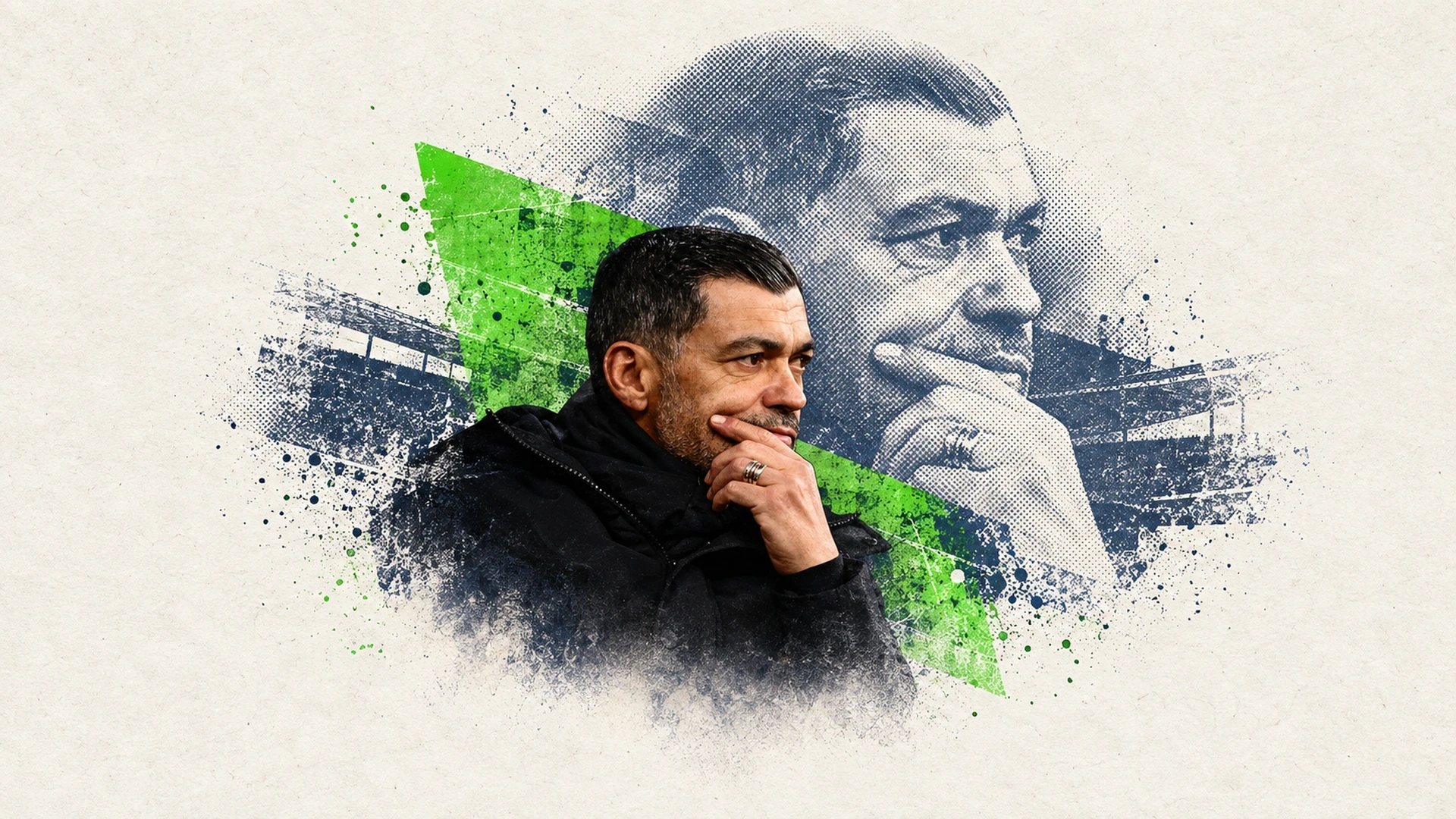
Sergio Conceicao arrived to revive a title defence and leaves after a fifth place finish. The results explain why Al Ittihad wanted a change, but replacing the coach will only begin the work of rebuilding a coherent challenge.
Sergio Conceicao’s departure closes a season that began with Al Ittihad defending a league and cup double and ended with the club looking for another coach. Fifth place was a long way from the position the champions expected to occupy. By the final round, they were no longer involved in the title race and were beaten heavily at home by Al Qadsiah.
The club’s explanation for ending his contract was brief. It followed an evaluation of recent performances and reflected their ambitions for the next phase. Those words leave the internal discussion private, but the sporting reason for dissatisfaction is plain enough. Al Ittihad finished on 55 points, thirty one behind champions Al Nassr. A team accustomed to measuring its season in trophies had fallen well short in the league.
Conceicao did not take charge of the whole campaign. He arrived in October after Laurent Blanc’s departure, inheriting the task of correcting a title defence already interrupted by a managerial change. That matters when assessing the season. Results from before his appointment cannot be assigned to him, just as the quality of the squad he inherited cannot be ignored when assessing what followed.
His arrival carried a recognisable logic. Conceicao had won league titles at Porto and brought experience of managing a club where domestic success is an expectation rather than an occasional ambition. Al Ittihad were seeking a coach capable of restoring intensity and consistency quickly. The difficulty was that the season allowed little time between introducing his methods and being judged on the results.
The final league table offers the broadest judgement, but the closing match supplied a sharper picture of the distance still to travel. Al Qadsiah scored five in Jeddah, with Julian Quinones completing a hat trick. Al Ittihad managed only one in reply. A single heavy defeat should not be used to explain an entire campaign, yet it was an especially poor way to finish a season in which supporters had already accepted that the championship was beyond reach.
Asia did not provide a rescue. Al Ittihad reached the quarter finals of the Champions League Elite before losing to Machida Zelvia. Tete Yengi scored the only goal, ending the Saudi club’s hopes in a competition whose final stages were being played in Jeddah. That exit removed another opportunity to turn a difficult league season into one remembered for a substantial achievement.
The squad also changed significantly while Conceicao was trying to improve it. Karim Benzema left for Al Hilal during the winter window, with the transfer completed in early February. He had helped drive Al Ittihad’s double the previous season and was the league’s reigning Player of the Season. Losing him meant changing the attack during the campaign, rather than simply asking the same group to recover its old form.
The impact went beyond replacing a famous goalscorer. A central forward influences where teammates look for the ball, which runs they expect and how opponents organise their defence. Any replacement has to build those relationships in competitive matches as well as training. That is a practical complication for a coach already working under pressure, although it cannot explain every dropped point or defensive problem.
It is also important not to turn the transfer into an account of private events we cannot see. The public record establishes that Benzema moved and that Al Ittihad’s season disappointed. It does not establish precisely how every decision was made inside the club, or how much support each person gave the coach. Those are different claims and should not be treated as automatic conclusions from the results.
The more useful question is what the next appointment needs in order to work. Al Ittihad require a clear agreement about the team they want to build, the players who will be central to it and the time available to make changes. A coach recruited for one approach cannot be assessed fairly if the squad is repeatedly assembled for another. Equally, clarity from the club does not remove the coach’s responsibility to make the existing players perform.
The next manager will inherit expectations shaped by very recent success. The double is only a season behind them, which makes a gradual rebuild a difficult idea to sell. There is still a distinction between demanding an immediate response and expecting every problem to disappear with a new name on the bench. Recruitment, preparation and the distribution of responsibilities within the team will all affect the speed of any recovery.
Conceicao leaves with an unsuccessful spell on his record. Al Ittihad have decided that another coach should lead the response, and the gap to the champions gives that decision a clear context. What remains uncertain is whether the change will be part of a settled football plan. After a season of disruption, the club need the next appointment to give their players a direction they can sustain, rather than merely a fresh beginning to another short cycle.

