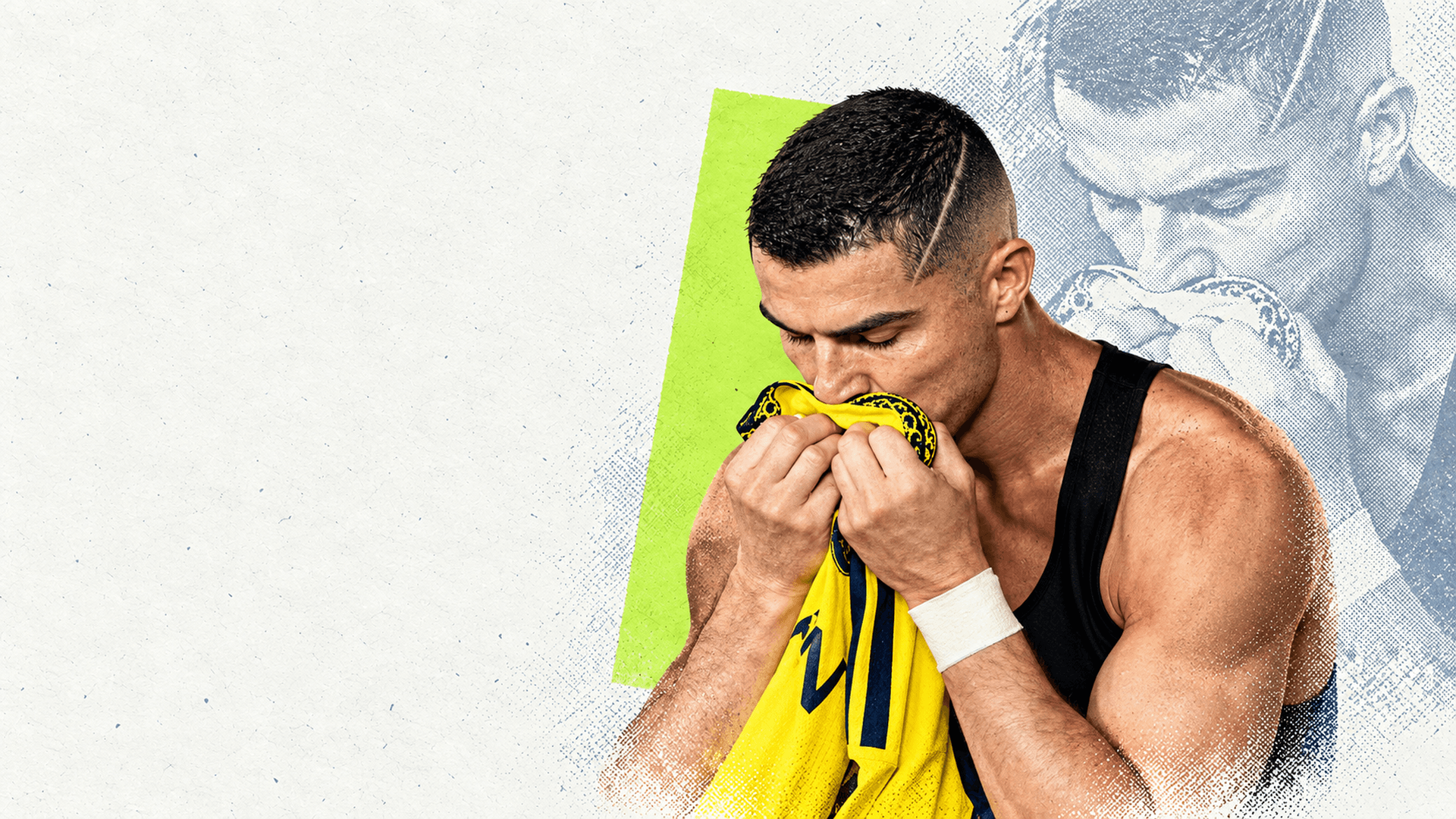
The club’s formal statement, citing a mutual termination agreement and appreciation for Jesus’s efforts, is consistent with the usual script. But behind the carefully worded message lies a deeper narrative—one shaped by performance metrics, locker room dynamics, and the relentless pursuit of continental dominance.
There’s no denying that Jesus delivered one of the most dominant domestic seasons in Al Hilal’s history: an unbeaten league campaign, a domestic treble, and a world-record 34-game winning streak. But in a results-driven environment like Al Hilal, silverware is only one part of the equation. The failure to clinch the AFC Champions League—a stated priority—appears to have been decisive. Falling short in the semi-finals again, this time to arch-rivals Al Ahli, carried weight far beyond the match result.
Added to this was the timing: Jesus’s exit comes with Al Hilal trailing Al Ittihad by six points in the league. While not an insurmountable gap, it was enough to amplify concerns within the club’s leadership, especially following a near-flawless campaign the year before.
Beyond results, other elements likely influenced the decision. Media reports hint at tensions between Jesus and senior players—never officially confirmed, but rarely smoke without fire in such cases. His name also appeared in conversations around the Brazil national team role, a distraction that could have created uncertainty internally. A touchline handshake controversy with an opposing manager didn’t help optics either.
Collectively, these factors pointed to a deteriorating climate around the team—enough, perhaps, for leadership to decide that a reset was required ahead of a critical summer.
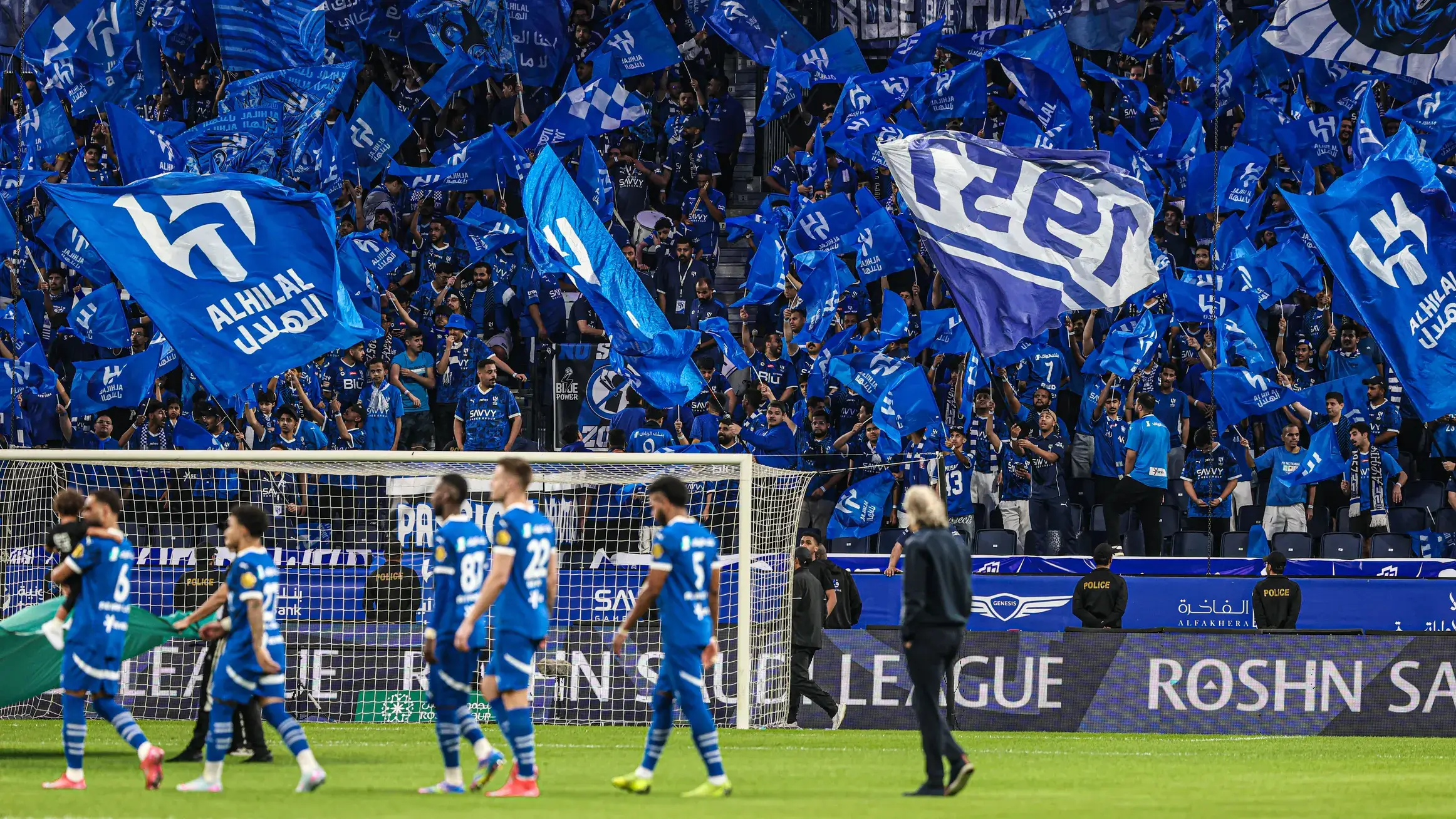
The immediate future will be shaped by the appointment of Mohammed Al-Shalhoub as interim coach, offering stability while Al Hilal considers its next move. But the timing is less than ideal. With the expanded FIFA Club World Cup on the horizon and European heavyweights like Real Madrid in the mix, any incoming coach will have precious little time to implement their philosophy, build player relationships, and prepare tactically for global competition.
The incoming manager must be ready to deliver results from day one. The squad is strong, expectations are clear, and the margin for error is thin. Whoever steps in will not only inherit a talented group of players but also the pressure of upholding Al Hilal’s continental ambitions while navigating a spotlight that grows brighter with every high-profile signing and international fixture.
Names linked to the role reflect the stature and appeal of the job. Xavi Hernandez is one possibility—tactically astute, regionally familiar, and available. But competition from European clubs may complicate that path. Carlo Ancelotti, while tied to Real Madrid and reportedly eyed by Brazil, represents another marquee option, should circumstances shift.
Jose Mourinho’s name is also in the mix. His pedigree, command of high-pressure environments, and potential interest in a new frontier could align with Al Hilal’s vision. Other potential candidates—Nuno Espirito Santo, Marco Silva, Roberto De Zerbi—bring a mix of Premier League experience and tactical innovation. Former Al Hilal managers Ramon Diaz and Razvan Lucescu may also be considered, offering familiarity and a proven track record with the club.
A wildcard option could be Zlatko Dalić, whose success with Croatia on the world stage suggests he has the leadership acumen for a role like this—blending strategy with man-management and cultural sensitivity.
Jorge Jesus’s departure is a reminder that in elite football—especially in a league undergoing rapid transformation—past success does not guarantee future tenure. Al Hilal’s ambitions are clear: win domestically, dominate continentally, and build a globally recognised institution.
This moment represents more than a coaching change. It’s a strategic pivot—an opportunity for Al Hilal to align its next managerial appointment with its broader ambitions in a footballing landscape that is shifting fast. The world will be watching not just who they appoint next, but how they perform under the growing spotlight of global competition.